The Dangers of Synthetic Cannabinoids
What are Synthetic Cannabinoids?
Synthetic Cannabinoids (Spice or K2) are a widely growing problem in the workplace today. Everyday more and more people are using this drug despite not knowing the effect and its dangers. Here are ways to test for it. First though, a little education on the drug itself:
What is it?
Spice quite simply is synthetic marijuana, or synthetic cannabinoids. It is a chemical that was first created in a lab. It mimics the psychoactive effects of marijuana. People sometimes refer to Spice as K2. Both K2 and Spice are brands of synthetic marijuana that have become so popular they are used as generic names (similar to Jell-O or Band-Aid).
It was first produced in 1995 by John W. Huffman. Huffman is a professor of organic chemistry at Clemson University who was ironically issued funding by the National Institute of Drug Abuse (NIDA) to research cannabinoids - a compound that binds to receptors to the brain similar to delta-9-tetrahydrocannabinol (THC). THC is the psychoactive chemical found in the cannabis plant.

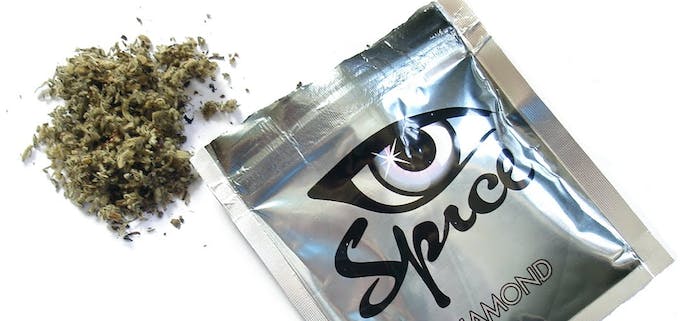
Spice - A popular synthetic marijuana brand
Huffman's research was intended for testing on animals and never intended his formulas to be synthesize for human use.
It wasn't until the early to mid 2000s that Spice began to move into US markets. With Huffman's research papers published, many began synthesizing his formulas into synthetic marijuana products. They allowed users to pass a drug test, receive the psychoactive effects of marijuana, and was legal.
It was first marketed as 'herbal incense' or 'herbal smoking blends' and was sold in head shops, online or even gas stations. The product itself looks flowery and herbal.
On March 1, 2011, the US Department of Drug Enforcement classified 5 synthetic cannabinoids as Schedule 1 drugs (JWH-018, JWH-073, JWH-200, CP-47,497, cannabicyclohexanol) deeming their possession and distribution illegal. Despite this many still use spice. Professional athletes use spice in-season in order to not get caught using real marijuana.
The Effects
Huffman stated that using synthetic cannabinoids is like playing Russan Roulette - you don't know what is going to happen. The long term effects of the drug have not been studied.
Though the effects are not well documented, large doses of synthetic cannabinoids shows different negative effects in comparison of marijuana use. Users have shown symptoms of withdrawal similar to those are withdrawing from narcotics.
Even scarier effects is that many people have gone into convulsions or experienced heart attacks when using the drug.
How do you test for Synthetic Cannabinoids?
A standard drug test that tests for marijuana metabolites will not screen for synthetic cannabinoids since they are a different compound. However, most laboratories and occ health providers provide separate test panels. Interested employers should contact their MRO, or occupational health provider for more information.
Categories
Latest posts
-
States with Legalized Cannabis See Fewer Synthetic Cannabinoid Poisonings
- Sep 02, 2022 -
Chronic Disease: The Trucking Industry’s Silent Killer
- Aug 30, 2022 -
OSHA Hearing Conservation Requirements
- Aug 23, 2022