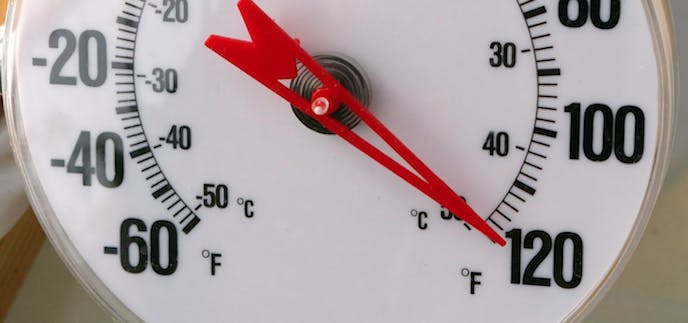
How Workers Can Beat the Heat
By Jackie Ribuado
There are many workers around our country and the world that are exposed to extreme heat conditions while on the job every day. It is hard enough to do strenuous work at cool, normal temperatures, but there are working conditions where intense temperatures are a common occurrence and manual labor is the titled position. Workers who are fairly new on the job and not experienced with high temperatures are the most at risk, as are those who wear heavy and bulky protective clothing. There are four specific types of heat illness to look out for while working in these conditions, they include heat rash, heat cramps, heat exhaustion, and heat stroke. So, let us learn how heat affects our bodies, what three things save us from the heat, and how to handle a heat illness.
What Heat Does to Our Body
When our bodies get too hot its automatic response is to cool us down with some good ol’ sweat. When your body sweats, it is releasing all of the fluids that you have previously absorbed. If you are working, or doing any sort of physical activity in extreme heat, our bodies needs to keep being replenished with fluids (water). If our bodies do not receive an adequate amount of fluids and we continue to stay in the heat and humidity, the part of our brain that controls our body’s temperature becomes overwhelmed. At this point your body begins producing more heat than it can release, which will lead to heat exhaustion, and then eventually to heat stroke.
Employers Responsibilities
If your company requires workers to work in hazardous heat conditions it is your job to make sure that they are taking the necessary precautions in order to not succumb to a heat related illness. Here are some ways you can prevent heat illness for your employees.
- Mandated Training Session- Each employee is required to report to a mandatory training session where they learn about what their job entails, and what steps to take when they start to feel overwhelmed by the heat.
- Provide water for your employees and always make sure it is filled and available to all.
- Provide shaded areas or air conditioned facilities for your employees where they can rest and take breaks away from the heat.
- Have a protocol or emergency plan for what to do if an employee gets heat exhaustion or heat stroke.
- Check the heat index and temperatures during the summer to make sure that the climate is within working conditions,

Heat Index Map Example
What is Heat Index?
Heat Index takes two numbers: the temperature in degrees and the humidity (how much water the air can hold). The heat index adjusts the temperature and the humidity to get a number that reflects how human beings feel in that weather condition. This is important to pay attention too, because the higher the heats index the hotter and more humid the working day will be.

Guide for Fluid Intake and Rest
Feeling Too Hot? Do These Three Things Immediately…
1. Drink A LOT of water and keep hydrated, even if you feel too sick or not thirsty.
2. Find a shaded area and put something cool on your head.
3. Rest, rest, and more rest. Get as much rest as you can and do not work in the heat for the duration of the day.
Categories
Latest posts
-
States with Legalized Cannabis See Fewer Synthetic Cannabinoid Poisonings
- Sep 02, 2022 -
Chronic Disease: The Trucking Industry’s Silent Killer
- Aug 30, 2022 -
OSHA Hearing Conservation Requirements
- Aug 23, 2022